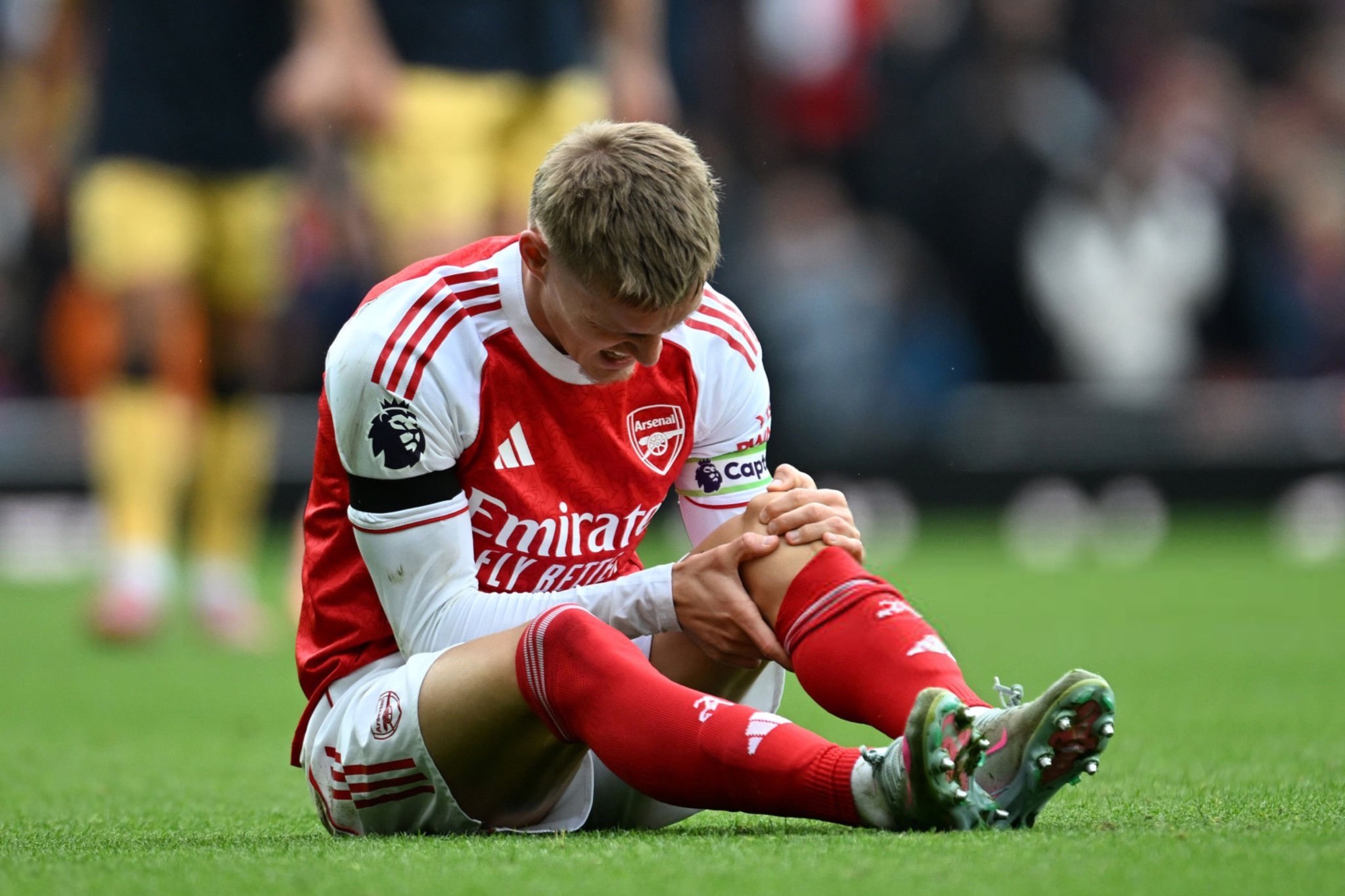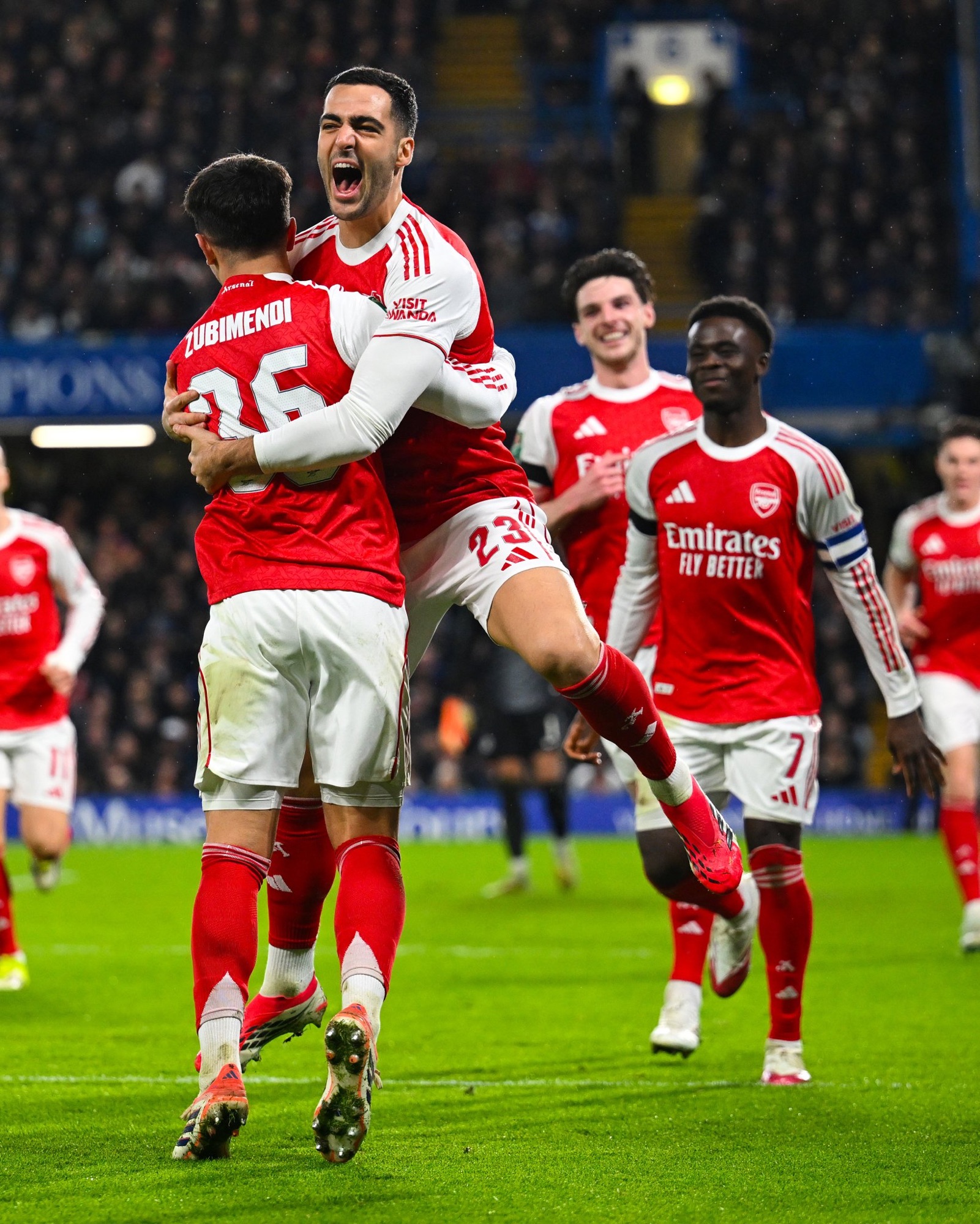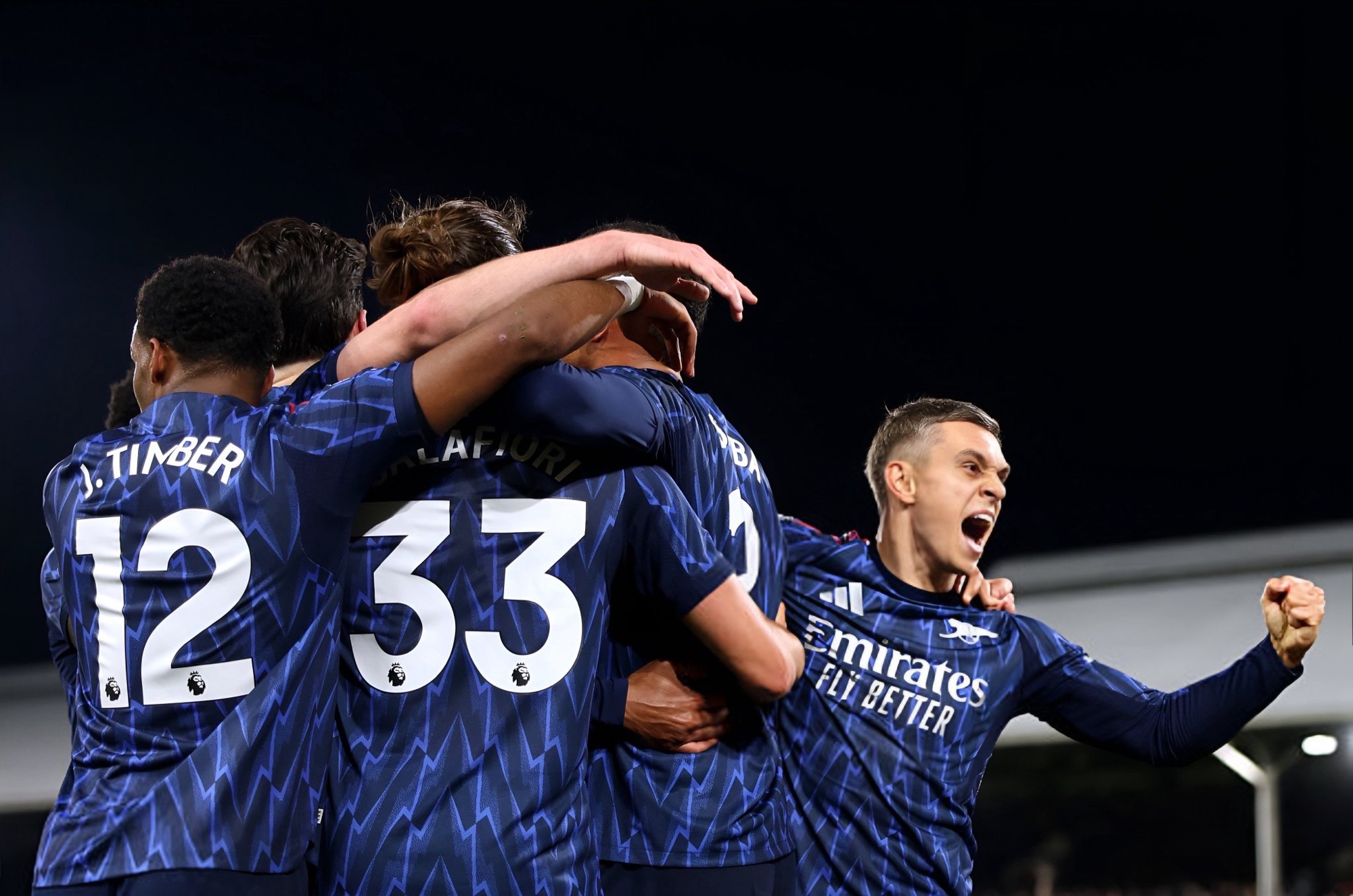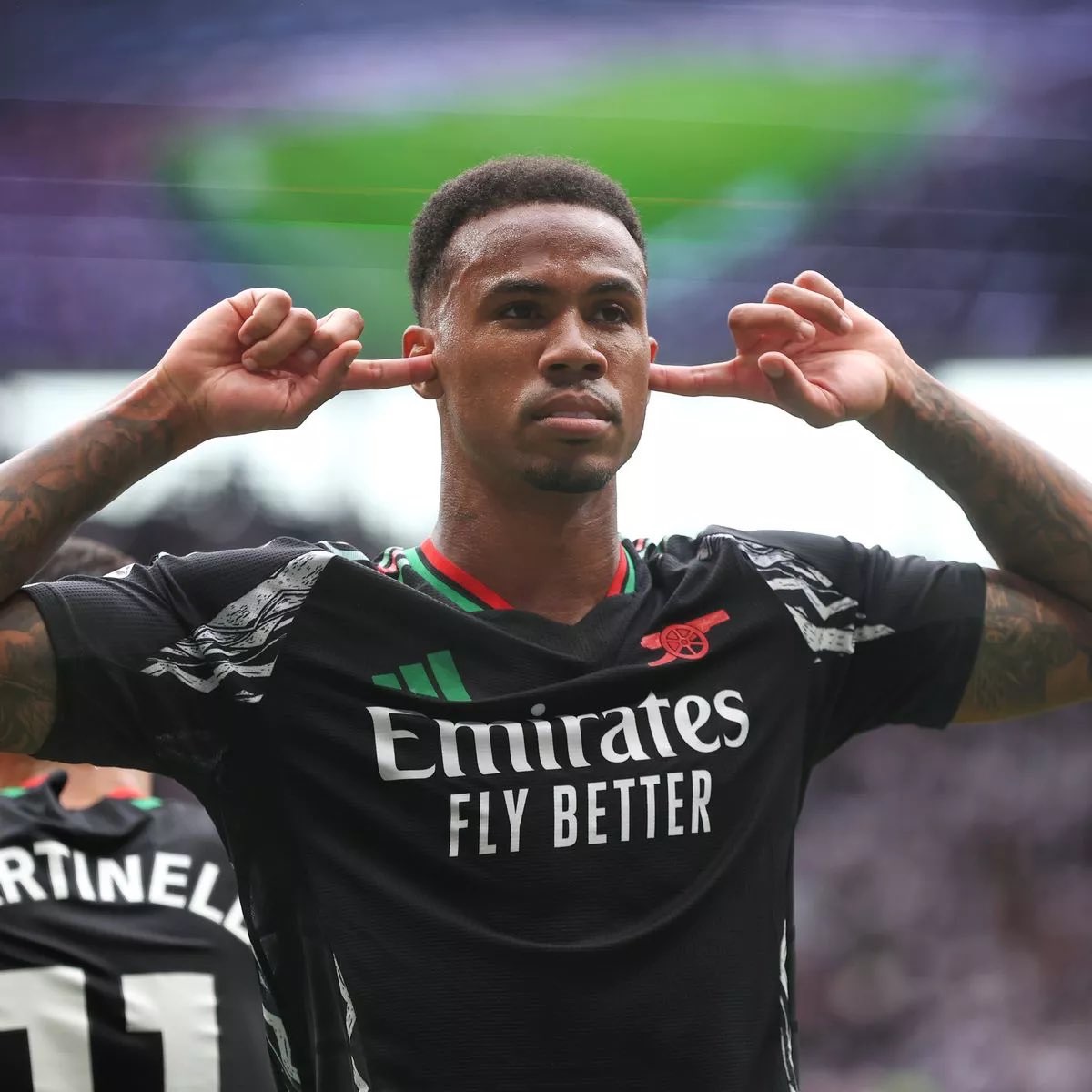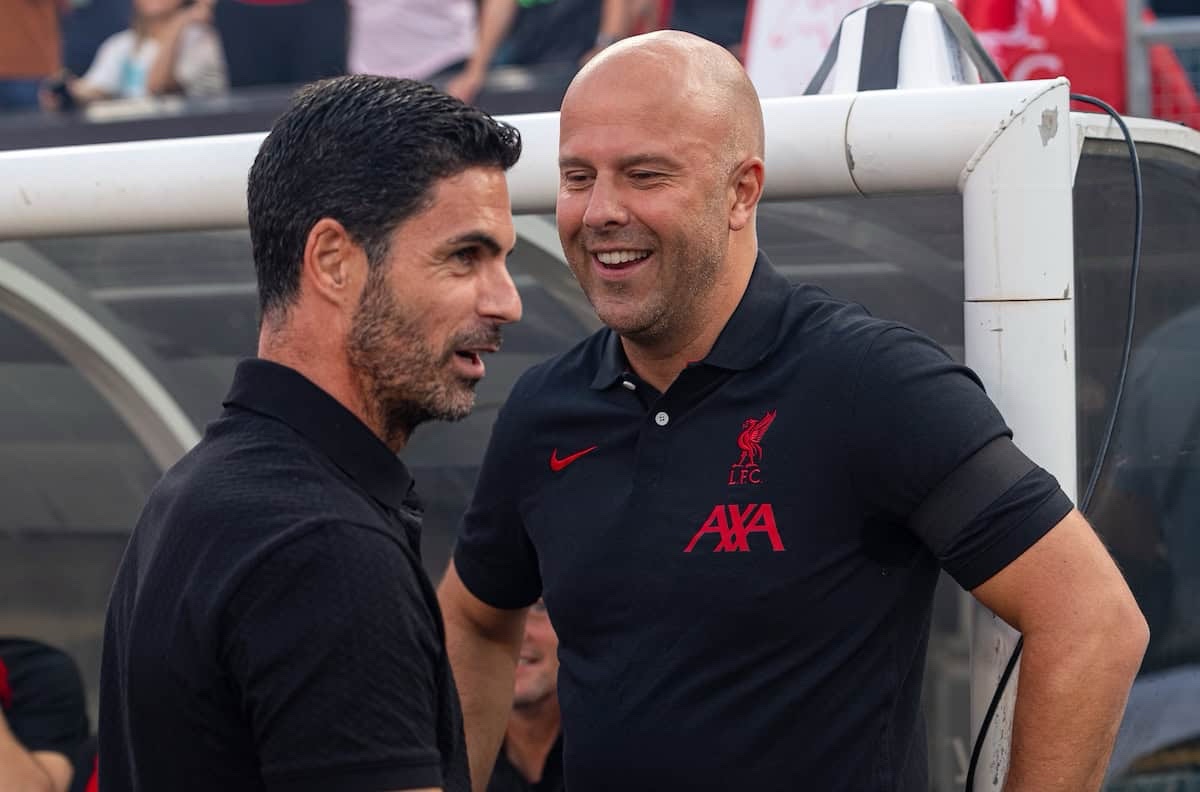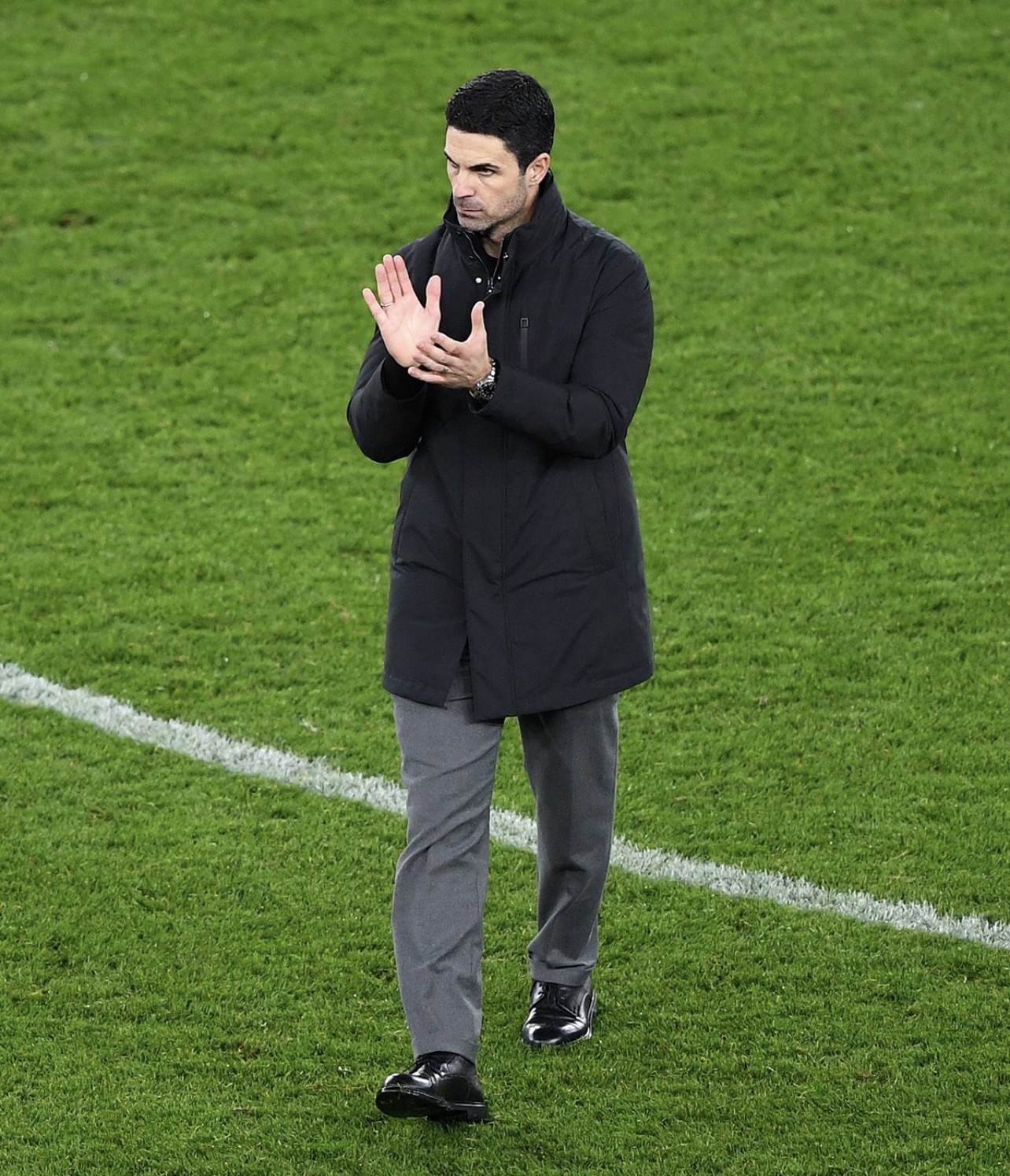
Arsenal’s Premier League title charge suffered a damaging setback on Sunday evening as they were beaten 3–2 by a revitalised Manchester United side at the Emirates Stadium. In a match packed with drama, momentum swings, and individual brilliance, one Arsenal figure unexpectedly found himself at the centre of post-match fury: club captain Martin Ødegaard.
The defeat came at a crucial moment in the season. With Manchester City and Aston Villa both securing victories earlier in the weekend, Mikel Arteta’s side had the chance to re-establish a commanding lead at the top of the table. Instead, the Gunners were left licking their wounds after a result that reignited old questions about leadership, creativity, and big-game influence.
A Fast Start That Promised More
Backed by a roaring home crowd, Arsenal began the contest on the front foot. They dominated territory early on, circulating the ball quickly and pinning United deep inside their own half. The pressure eventually told just before the half-hour mark when Arsenal took the lead in somewhat fortunate circumstances.
Ødegaard, drifting into space at the edge of the box, fired a low effort toward goal. Manchester United defender Lisandro Martínez inadvertently diverted the ball past goalkeeper Senne Lammens, handing Arsenal the opener and seemingly setting the tone for a comfortable evening.
However, the advantage proved fragile.
Costly Errors and a Sudden Collapse
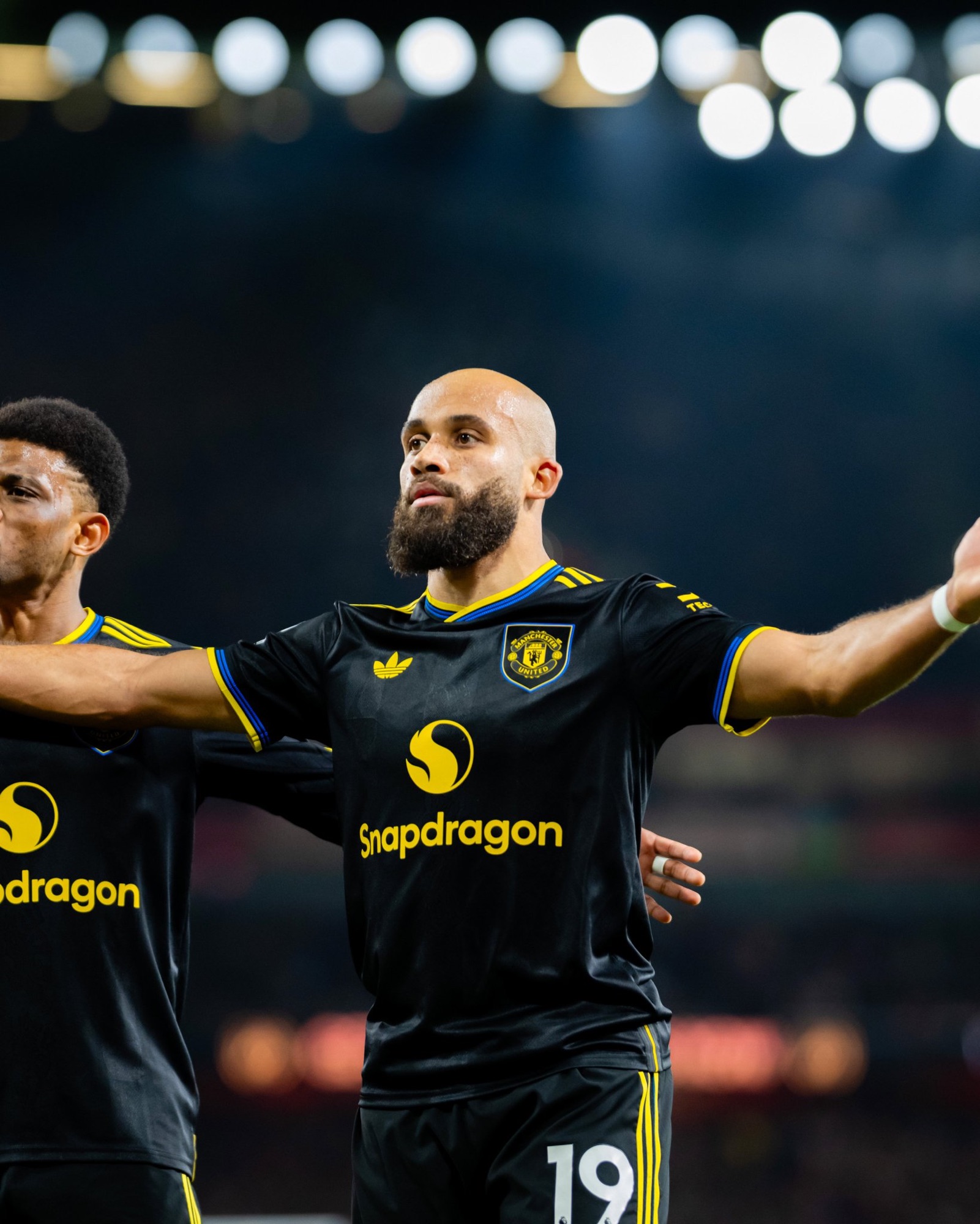
Rather than building control after scoring, Arsenal allowed United back into the contest through a lapse in concentration. Martin Zubimendi’s loose pass in midfield was ruthlessly punished, with Bryan Mbeumo finishing clinically to restore parity.
Moments later, the Emirates was stunned into silence. Patrick Dorgu unleashed a sensational long-range volley from outside the area, leaving David Raya with no chance and flipping the match on its head.
Although Mikel Merino later hauled Arsenal back into contention with a well-taken equaliser, United once again showed their cutting edge. Matheus Cunha curled home a superb winner late on, sealing a statement victory for Michael Carrick’s side and handing Arsenal a bruising defeat.
Ødegaard’s Difficult Night in the Spotlight
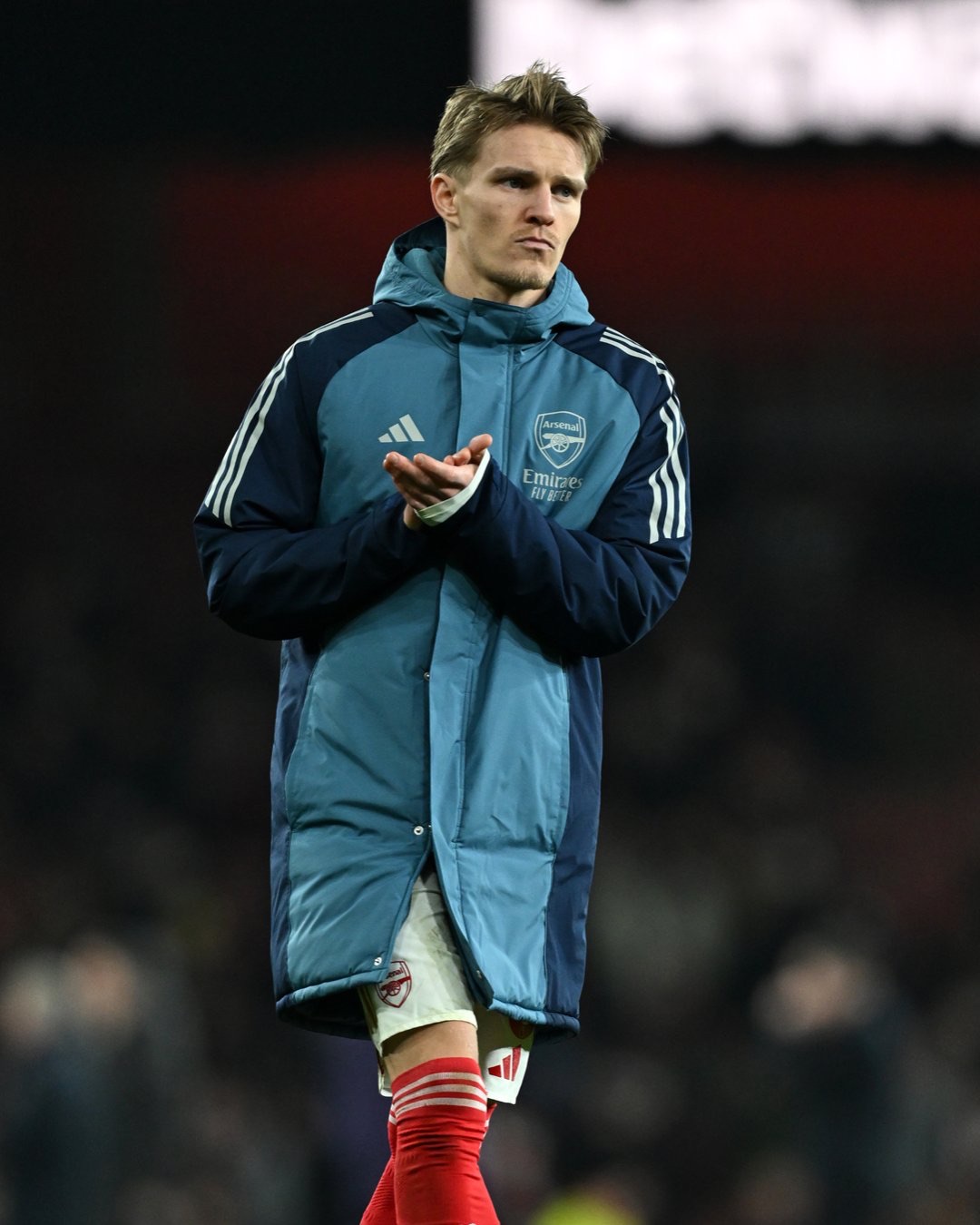
While Arsenal’s collective performance raised concerns, much of the post-match attention centred on Ødegaard. Despite his indirect involvement in the opening goal, the Norwegian struggled to assert himself as the game wore on.
As Arsenal’s chief creative force, Ødegaard is expected to dictate tempo, unlock compact defences, and provide clarity in moments of chaos. Against a United midfield blending youthful energy with physical presence, he found little room to operate and failed to impose himself when his team needed leadership most.
Statistically, it was an uncharacteristically quiet evening. Ødegaard completed just 14 of his 21 attempted passes, regularly misplaced possession, and finished the match having been dispossessed ten times. He registered only 27 touches before being withdrawn after 62 minutes — a rare early substitution for a player entrusted with the captain’s armband.
For many supporters, that moment symbolised a broader frustration.
Fan Frustration Boils Over
In the aftermath, social media quickly became a space for raw emotion. A significant section of the Arsenal fanbase voiced disappointment not just with Ødegaard’s performance, but with what they see as a recurring issue in high-pressure matches.
Some supporters criticised his tendency to recycle possession rather than drive play forward, while others questioned whether he truly offers the decisive edge expected from a title-challenging side’s captain. The lack of intensity, urgency, and attacking risk drew repeated complaints.
More extreme reactions went further, with calls for Ødegaard to be benched — or even sold — as fans debated whether Arsenal’s next evolution requires a different type of leader in midfield. Accusations of passive play, backwards passing, and fading influence in big moments dominated the discourse.
Others suggested fatigue may be playing a role, noting how leggy the midfielder appeared despite being rested in midweek. Regardless of the explanation, patience among sections of the Emirates faithful appears to be wearing thin.
A Defining Moment for Arteta and His Captain
Ødegaard’s importance to Arsenal’s rise under Arteta is undeniable. He has been central to their tactical identity, leadership structure, and attacking patterns over recent seasons. But football at the highest level is relentlessly unforgiving, and expectations grow as teams edge closer to silverware.
This defeat — and the reaction that followed — may prove to be a defining moment. For Ødegaard, it is a test of character and response. For Arteta, it raises difficult questions about balance, rotation, and whether Arsenal need additional creativity to push them over the line in decisive matches.
With the title race tightening and pressure mounting, Arsenal’s margin for error is shrinking fast. How their captain responds in the coming weeks could shape not only the season — but the long-term direction of the project itself.